The Toolkit
A retrofit toolkit for passive cooling in NYC
Reimagining New York's awning-lined streets for a more sustainable future. A practical guide to why awnings work, how to evaluate your building, and how to design them well.
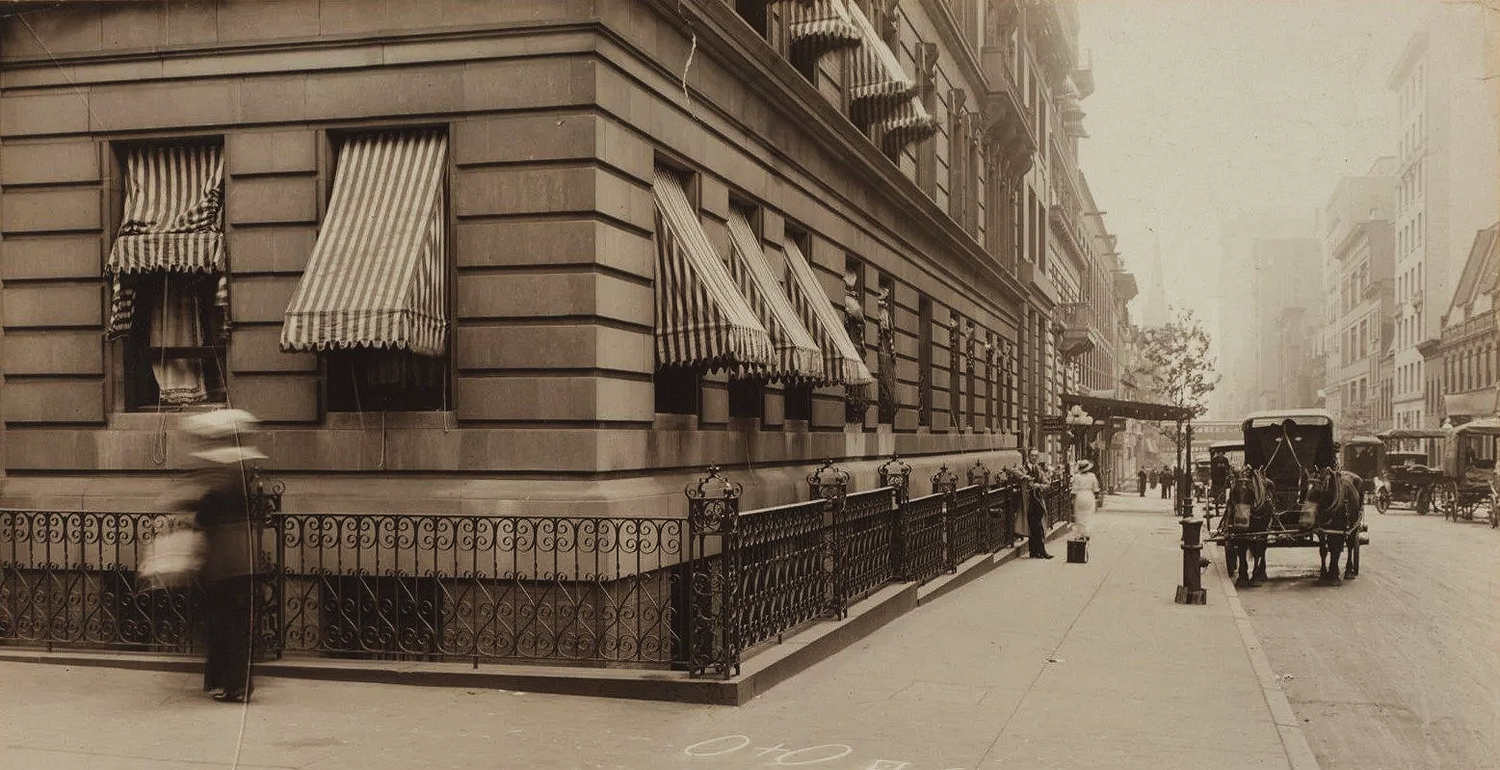
Awnings along a New York City Avenue
Why Awnings?
A low-tech idea, back for a warming city
Before air conditioning, awnings kept New York cool. They shade windows from direct summer sun, cut cooling loads, and soften the street, all without mechanical energy. This toolkit shows how a simple, historic idea can play a serious role today, and how to bring it back well.
Who Can Use This Toolkit
Built for the people who shape the streetscape
-
Architects
Design guidance for integrating historically appropriate awnings on new or existing buildings.
-
Preservationists
Evaluate historic precedent, preservation standards, and compatibility with existing facades.
-
Homeowners
Select, install, and maintain awnings that improve comfort and reduce cooling costs.
-
Policy Makers
Strategies that support climate resilience, energy efficiency, and historic streetscapes.
-
Everyone
Insight into one of the simplest climate solutions for buildings, hiding in plain sight.
Toolkit roadmap
Five steps, from the case for awnings to designing your own
-
Climate Context
Why buildings and awnings matter for a warming New York, with the data behind cooling demand.
Explore →
-
Why Awnings Work
The building science of passive cooling: which windows matter most, and how shade works.
Explore →
-
Evaluate Your Building
A simple way to tell whether awnings are right for your building, orientation, and windows.
Explore →
-
Design Guidance
How to design awnings for the sun, the climate, and the character of your facade.
Explore →
-
Additional Resources
Standards, references, and tools to take the next step with confidence.
Explore →